
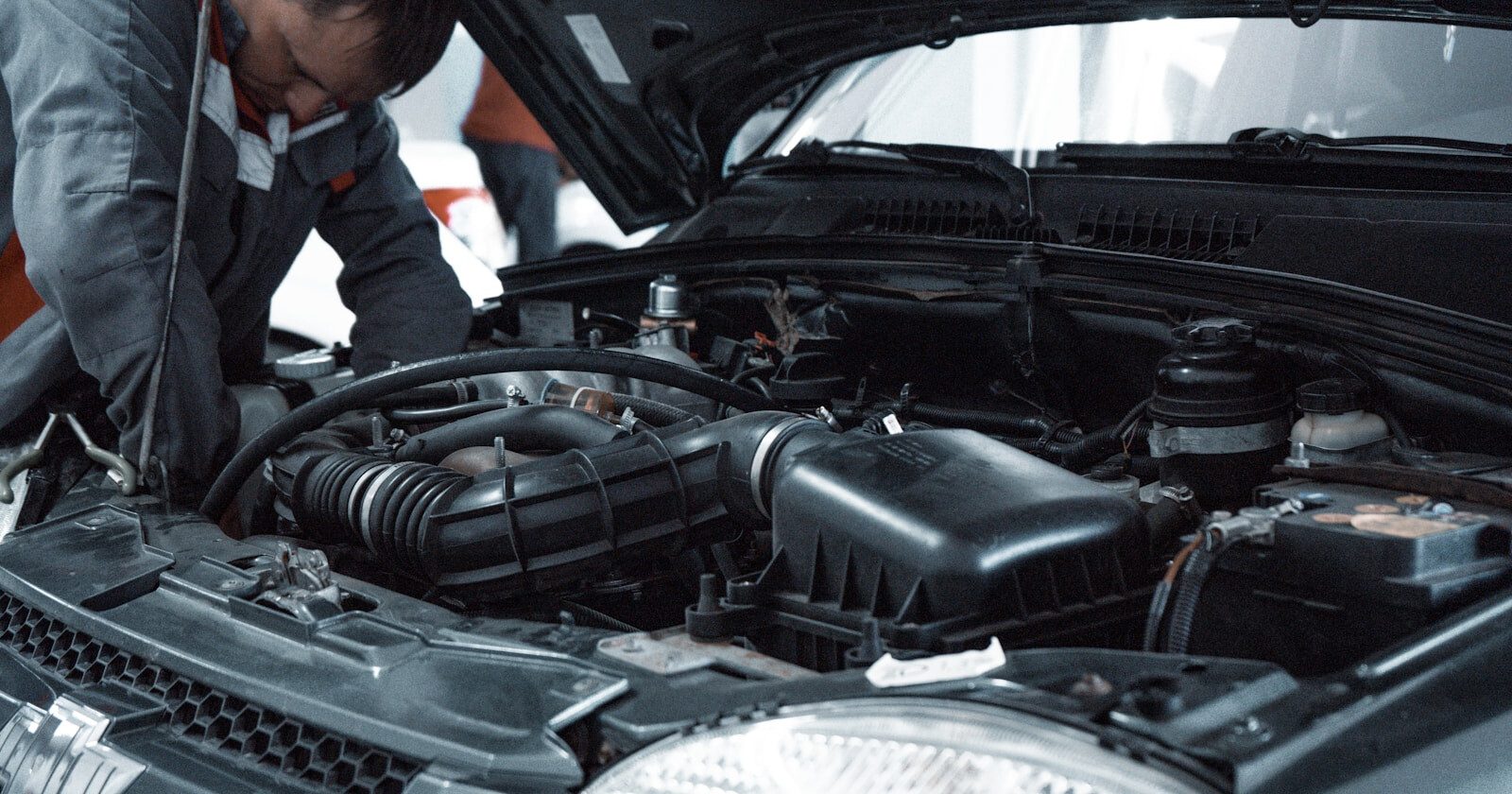
For many car owners, servicing is something they think about only when a warning light appears or a problem becomes noticeable. However, modern vehicles are designed to perform best when they are maintained consistently—not just repaired when something goes wrong.
This is why preventive maintenance has become increasingly important. It helps improve reliability, reduce long-term repair costs, and ensure that a vehicle continues to perform safely and efficiently over time.
What Is Preventive Maintenance?
Preventive maintenance involves regularly inspecting and servicing a vehicle before major problems occur.
This includes:
- Engine oil and filter changes
- Brake inspections
- Tyre alignment and balancing
- Battery and fluid checks
- AC and suspension inspections
Unlike reactive repairs, preventive maintenance focuses on identifying small issues early before they become expensive failures.
Why Many Drivers Ignore It
A common reason drivers delay servicing is that modern cars often continue running smoothly even when maintenance is overdue.
This creates the impression that:
- Servicing can wait
- Minor issues are not urgent
- Problems will become obvious later
However, many mechanical issues develop gradually and silently.
By the time symptoms appear:
- Repairs may become more expensive
- Performance may already be affected
- Safety can be compromised
Modern Cars Are More Complex Than Before
Today’s vehicles rely heavily on:
- Electronics and sensors
- Advanced engine management systems
- Automatic transmissions and connected technologies
These systems improve efficiency and comfort, but they also require timely maintenance to function properly.
Ignoring regular servicing can affect:
- Fuel efficiency
- Engine performance
- Long-term reliability
This makes preventive maintenance more important than it was in older vehicles.
Small Problems Often Become Bigger Repairs
One of the biggest advantages of preventive maintenance is cost control.
For example:
- Ignoring worn brake pads can damage brake discs
- Delaying oil changes can increase engine wear
- Poor wheel alignment can reduce tyre life
What starts as a minor issue can quickly become an expensive repair if left unchecked.
Regular servicing helps identify these problems early.
Driving Conditions Increase Wear and Tear
Daily driving conditions also play a major role in vehicle health.
Frequent:
- Stop-and-go traffic
- Rough roads
- Extreme heat and dust
can increase stress on:
- Brakes
- Suspension components
- Tyres and cooling systems
Urban driving, in particular, often causes more wear than many owners realise.
Safety Depends on Regular Maintenance
Preventive maintenance is not just about performance—it is also about safety.
Regular inspections help ensure:
- The brakes function properly
- Tyres maintain proper grip and pressure
- Steering and suspension remain stable
A well-maintained car is more predictable and safer during emergency situations.
Fuel Efficiency Improves with Proper Maintenance
Poor maintenance can directly affect fuel efficiency.
Issues like:
- Dirty air filters
- Incorrect tyre pressure
- Old engine oil
can reduce overall efficiency and increase running costs.
Routine servicing helps maintain optimal performance and improves long-term fuel economy.
Long-Term Ownership Satisfaction Matters
Cars that receive regular maintenance tend to:
- Feel smoother to drive
- Experience fewer unexpected breakdowns
- Retain value better over time
This contributes significantly to overall ownership satisfaction.
Buyers planning to keep their vehicles for many years especially benefit from consistent servicing.
Professional Service Experience Is Important
The quality of servicing also matters.
Professional service centres help ensure:
- Genuine parts are used
- Diagnostics are accurate
- Maintenance schedules are followed properly
This reduces the risk of recurring problems and improves reliability.
For owners looking for reliable car service in Ahmedabad, service networks like the ACKO Drive Service Centre help simplify maintenance through structured servicing support, transparency, and customer-focused convenience.
Transparency Is Becoming More Important
Modern vehicle owners increasingly value:
- Clear communication
- Transparent pricing
- Better service tracking
This has changed expectations around car servicing.
Customers now want service experiences that feel:
- Reliable
- Hassle-free
- Digitally convenient
rather than purely transactional.
Preventive Maintenance Saves Time Too
Unexpected breakdowns not only cost money—they also disrupt daily life.
Routine maintenance reduces the chances of:
- Sudden repairs
- Emergency service visits
- Long vehicle downtime
This makes ownership more predictable and stress-free.
The Role of Digital Platforms
Digital automotive platforms are also helping owners become more maintenance-aware.
Platforms like ACKO Drive assist users by:
- Improving access to service-related support
- Helping simplify ownership experiences
- Making vehicle care more transparent and organised
This reflects how the servicing experience itself is evolving.
Final Thoughts
Preventive maintenance matters because it protects far more than just the car itself.
It helps improve:
- Reliability and safety
- Fuel efficiency and performance
- Long-term ownership satisfaction
While many drivers focus on repairs only after problems arise, the smartest approach is often to prevent issues in the first place.
Because in the long run, regular maintenance is usually far less expensive—and far less stressful—than dealing with avoidable breakdowns later.